
Mike Vrabel is a Human-Centered Leader
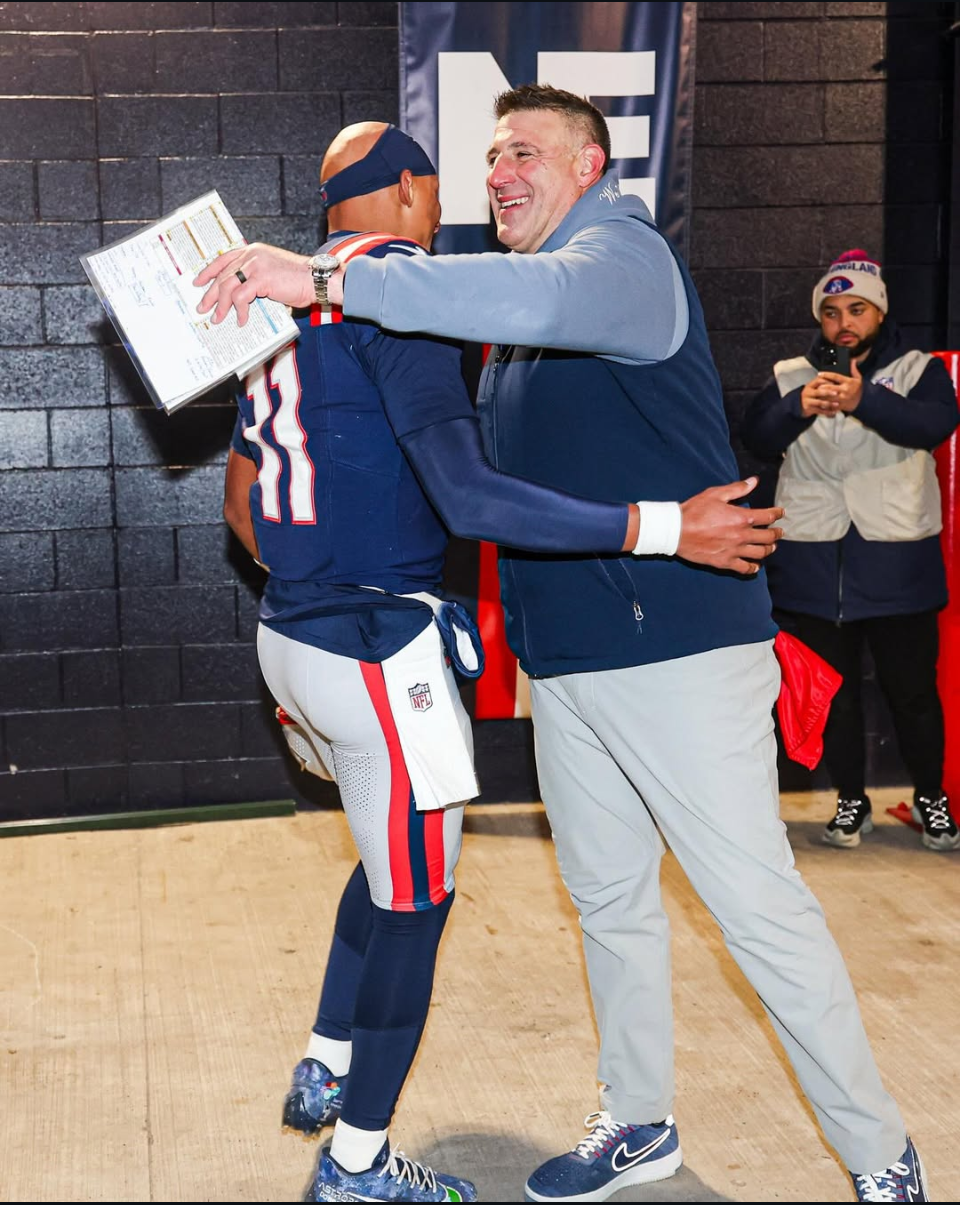
Photo from Patriots Instagram: Vrabel greeting players in the post-game hallway ritual
Let me start by saying that I’ve been a Patriots fan my whole life, even during the 80s when my dad was stationed in Nebraska and everyone around us was dancing the Superbowl Shuffle. And yes, I’ve been a little insufferable this week leading up to our return to the big game. But my joy doesn’t just stem from seeing my favorite team go all the way (again!). This year has felt different, and it’s all because of one of my favorite former players and our current coach, Mike Vrabel.
Vrabel played under coach Bill Belichick, who was famous for showing little to no emotion and giving terse answers to the press. But when Vrabel returned to New England as head coach, he did things differently. Where Belichick was stoic and controlled, Vrabel is present and adaptive. Mike Vrabel takes a human-centered approach to leadership, and the results speak for themselves.
Not Just Mr. Nice Guy
I’ve heard the phrase "human-centered leadership" used like it's about just being a nice person or a pushover. It's not. Focusing on the well-being of employees as the core of your leadership framework isn’t only about being good-hearted, but it’s also good business. A 2024 Oxford study found that organizations practicing human-centered leadership increased their transformation success rate from 28% to 73% - a 2.6x improvement! Not because leaders got softer, but because they got more disciplined.
Gartner breaks down human-centered leadership into three main components: authenticity, empathy, and adaptivity.
Authenticity: Behave According to Your Values
As a former player, Mike Vrabel makes it clear to his team that he can walk the walk. He’s not afraid to pull up his old tapes, or even roll up his sleeves and jump into drills with his players when the situation calls for it. At his introductory press conference, he talked about "removing entitlement" and making everyone, including himself, "earn the right to be here."
Vrabel also does something unique with the press. He always takes the first question from reporter Karen Guregian, something his quarterback has started doing, as well. That's because when you act according to your values as a leader, your team can see what you're modeling and reflect that behavior back. Would your team be able to identify your leadership values based on your behavior?
Empathy: Understand the Person, Not Just the Role
Building a team isn't just about filling roles with the right skills. You need to understand who people actually are. Aligning technical and soft skills can make the most of a team's abilities and help ensure success. But getting there means you have to know more about the team than just their titles.
To get to know the team, and help the team better know one another, Mike Vrabel introduced the "Four H's " at the start of the season. Everyone shared one part of their history, one of their heroes, one heartbreak, and one of their hopes. These were the vulnerable moments that created the team from a group of players. The offensive line started meeting for weekly dinners. Defensive backs became inseparable. Vrabel created conditions for connection, and the team extended it themselves.
Adaptivity: Whatever They Bring, You Meet
One of my favorite parts of each game to watch is actually post-game, when the players leave the field and head down the hallway into the locker room. Coach Vrabel meets everyone for handshakes... or hugs or chestbumps or high fives. Or in the case of a player having a bad day, he meets them with support and encouragement. Whatever energy each player brings, he meets it.
Notice I said he meets it, he doesn't match it. Because as a leader, it's not about matching your team's energy. Sometimes it's about providing the right kind of energy to turn the tide. I had a recent discussion with another leader about how to handle negative team members; it can be easy to empathize and commiserate, especially when you agree with them. But that doesn't help the team get where they need to be; meeting what they're bringing in that situation is about meeting them with what they need, not with the same energy.
How to Get Human-Centered
Human-centered leadership isn't about being the kind of person who "just gets people." It's about being the kind of leader who builds the conditions where people can do their best work together. You don't need Mike Vrabel's Super Bowl rings to do this. You need to be disciplined about showing up authentically, understanding people as humans first, and adapting how you show up for each person in each moment.
What will your "hallway ritual" be? What could your version of the Four H's look like?