
Seasons, Trust Gaps, and Self-Care: My Takeaways from the 2026 NC Tech Summit for Women
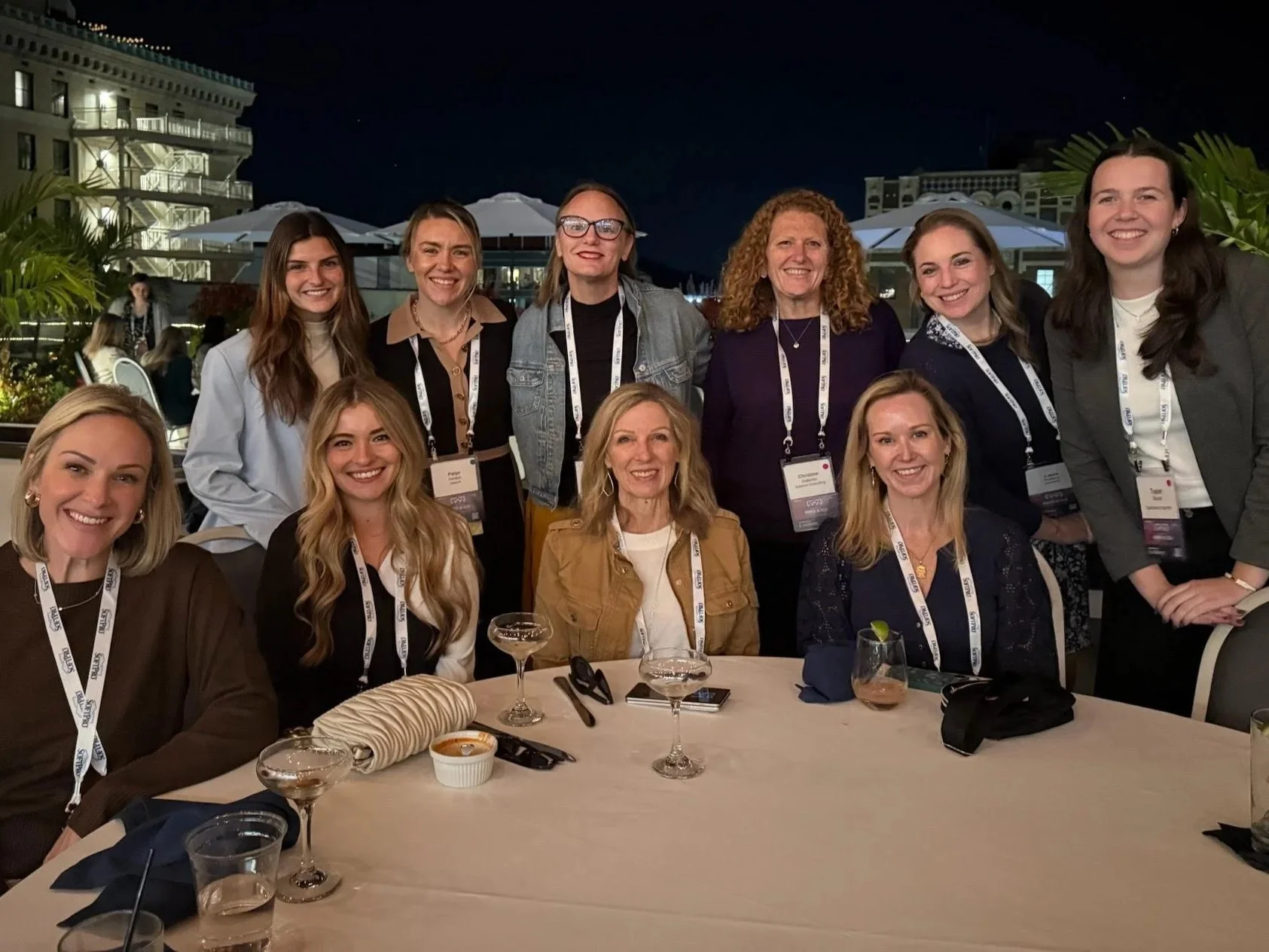
Photo of me and amazing new friends at the Executive Dinner the night before the conference.
I spent September 29 at the NC Tech Summit for Women, in a room full of women who build, run, and lead technology across our state. I came home with a notebook full of scribbles and one idea running through almost every session: the technology is moving fast, and the thing that decides whether it actually helps is still people.
Here's what stuck with me.
AI, strategy, and the trust gap
The AI sessions were refreshingly grounded. The AI and the Future of Work panel and Carol Houle both came back to the same idea: start with a real problem, and invest in the foundation before chasing the shiny thing. Kristi Straw took it a step further with the trust gap: people won't move on a decision they can't see, so leaders have to make visible what's being decided, who's making the call, who absorbs the impact, and what proves it's working. The panel's shorthand for all of it: build with empathy.
I wrote a separate post on the AI thread, because it deserved more room: AI With No Strategy Is Spaghetti on the Wall.
Your value isn't your task
Denitresse Ferrell asked a question I tried to answer silently in my seat and found harder than expected: can you explain why you matter without naming your title, your tool, your platform, or your function?
Her point: your skills may have a shelf life, but your value shouldn't. And for those of us who lead teams, she added a second question: are we preparing our people for the organization we're becoming, or the one we used to be?
Seasons, not ladders
Careers don't move in straight lines, and several sessions made peace with that. The Futureproofing Your Career panel reminded us that not all progression moves up, and that standing still has a cost too. Their best question: am I investing in my future self as much as I'm investing in today's demands?
Dana Parks closed the day with simple, practical advice: name the season you're in, move laterally when you need to learn, and ask for help, because no one does this alone.
I've had a few seasons of my own, from leading UX and design teams to guiding people through change, and each one taught me something the next one needed.
Self-care starts with the load
Tracy Doaks named the early warning signs of burnout with painful accuracy: cynicism where there used to be curiosity, a slow shrinking of joy, and the small things eroding first.
Her fixes were refreshingly practical. Reduce the load before optimizing recovery (you can't yoga your way out of a 60-hour week). Get comfortable disappointing people. Make your boundaries visible, because a boundary you keep private is just a preference. And keep one thing in your life that isn't about achievement.
What I'm taking with me
Looking back, the common thread is visibility. Make your decisions visible. Make your boundaries visible. Make your value visible without hiding behind a title. Name the season you're in out loud.
That's the work I care most about, whether I'm leading a team, steering an organization through a big change, or helping a leader figure out their next move: turning ambiguity into something clear enough to act on. If any of these questions hit a nerve, I'd love to hear which one.